產品

產品

一站式SIP通信產品-直接來自制造商

所有產品

接觸點

接觸點

領先的工業特殊通信提供商,擁有豐富的全球案例。我們的防爆和SIP調度系統爲項目提供動力——您可靠的合作伙伴,並取得了成功。

繼續瀏覽

交通運輸

公共安全

Energy Industry

資源

資源

發現最佳實踐,探索創新解決方案,並與Becke社區的合作伙伴建立聯繫。

聯繫我們
知識
2026-08-12 16:55:27
SIP廣播系統用於哪些地方?行業應用與解決方案設計。
SIP廣播系統結合IP音頻、調度、對講、警報和系統整合,適用於危險行業、採礦、運輸、能源、醫療保健和智慧設施。

貝克電信

SIP廣播系統用於哪些地方?行業應用與解決方案設計。

傳統的公共廣播系統主要設計用於單向音訊分發。它們可以播放預定的廣播或緊急訊息,但要增加新區域、連接其他通訊系統或支援雙向互動,通常需要額外的設備和佈線。隨著工業和公共基礎設施朝向基於IP的通訊發展,這種模式正在改變。

SIP廣播系統使用標準IP網路連接呼叫、語音調度、對講、緊急通知和營運管理。它不再作為一個獨立的揚聲器網路運作,而是可以成為更廣泛通訊環境的一部分,在此環境中,警報、現場設備、控制平台和操作員透過協調的工作流程交換資訊。這使得該架構不僅限於傳統的學校、辦公室和購物中心,還能有更廣泛的應用。

為什麼IP音訊改變了架構a

傳統PA系統與基於SIP的架構之間的主要差異不僅僅在於音訊的傳輸方式。更大的變化在於,個別的音訊終端成為可網路定址的通訊資源。

控制中心可以根據建築物、生產區域、平台、隧道或營運部門來組織揚聲器、呼叫終端、對講站和通訊區域。然後可以將訊息發送到單一終端、選定的群組、定義的區域或更廣泛的全站範圍的聽眾。

由於SIP已廣泛應用於IP語音通訊,廣播系統也可以與電話系統、調度平台和對講服務連接。現場使用者可以發起通話,操作員可以從控制室應答,而同一事件後續可觸發針對其他人員的定向廣播。

該架構還可以與自動化和監控平台交換資訊。基於Modbus、OPC UA和MQTT等協定的介面可用於那些營運系統需要與通訊層交換警報或狀態資訊的專案中。
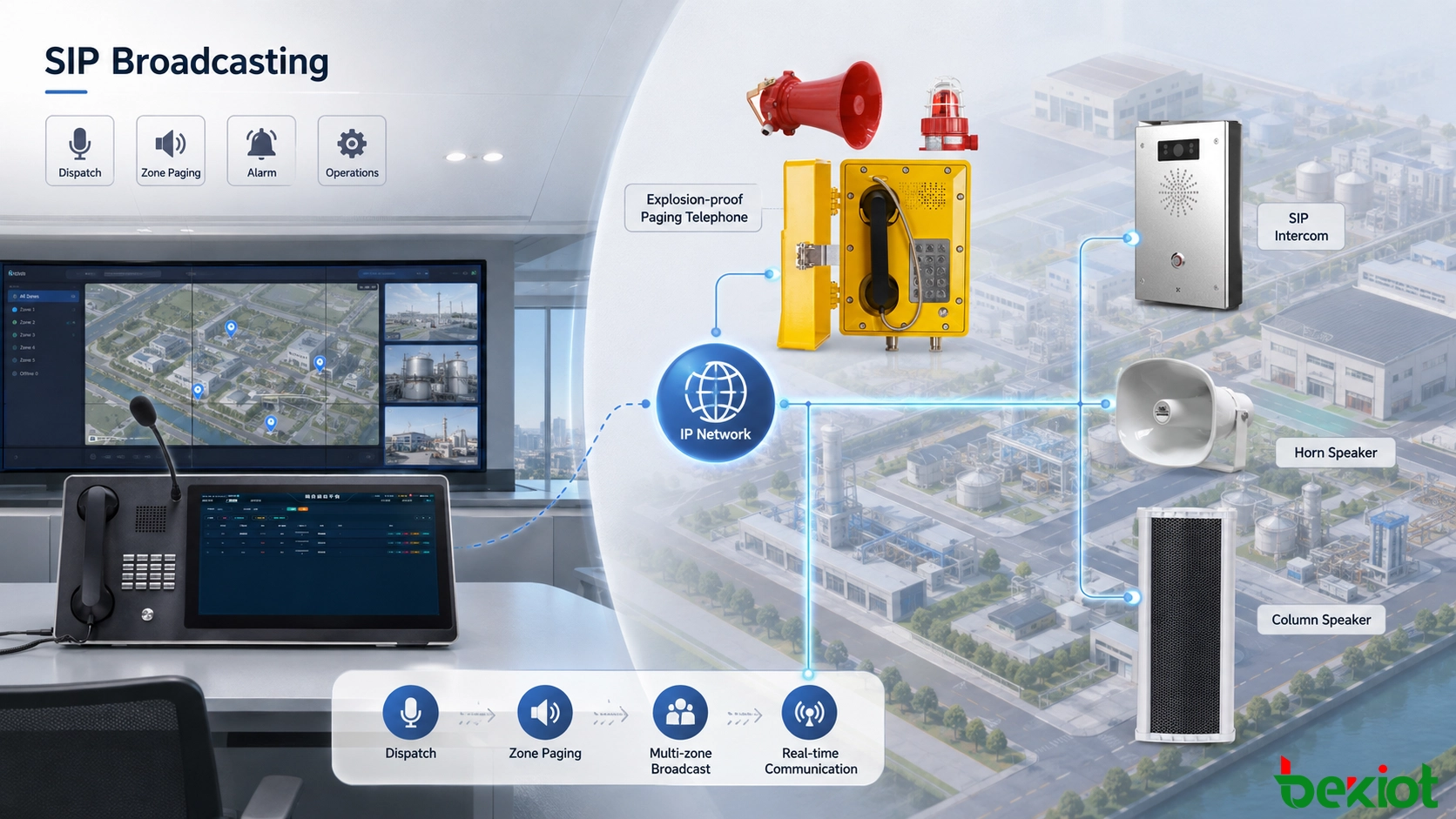
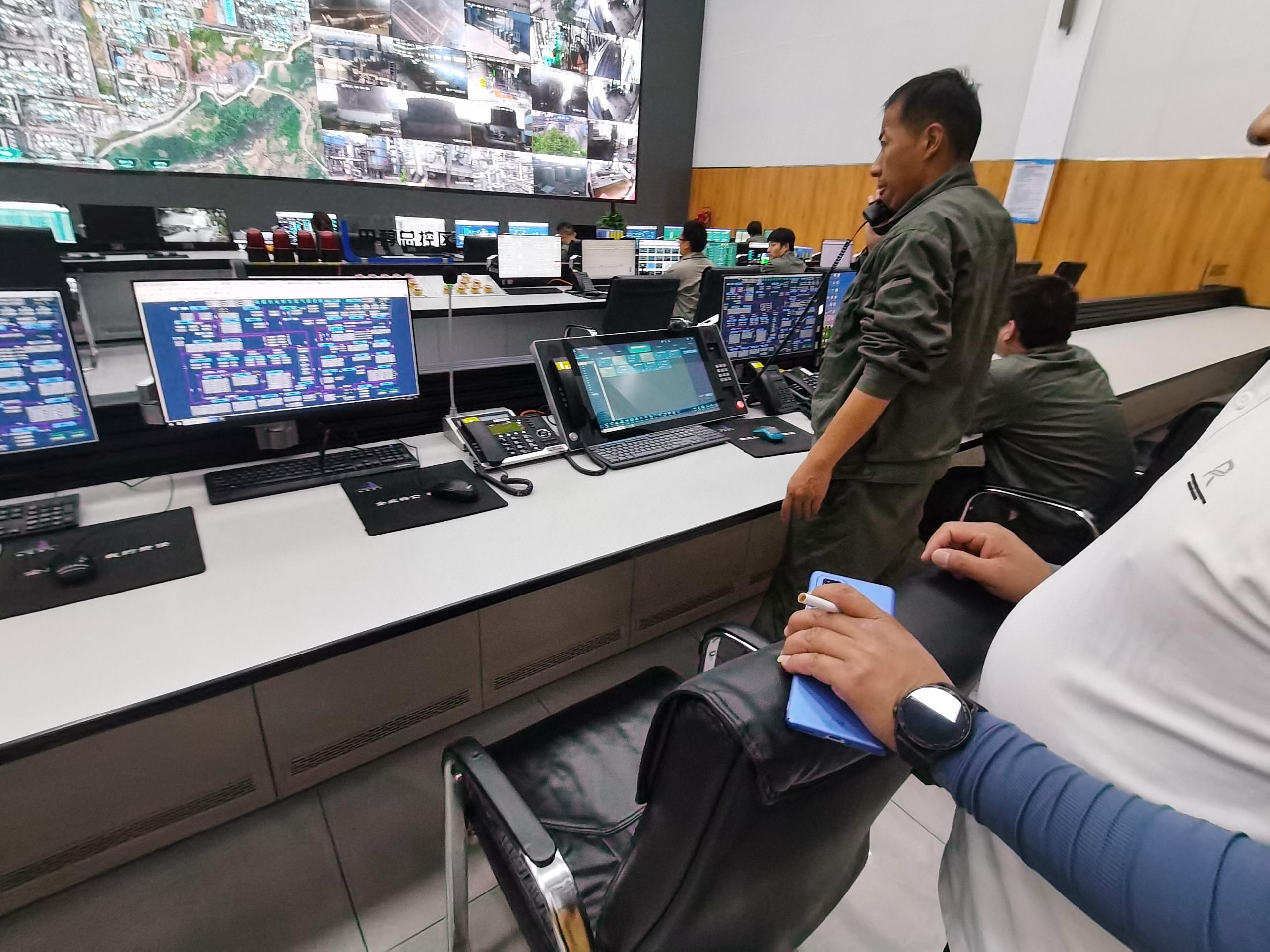
整合IP呼叫、語音調度、對講、警報和營運系統的SIP廣播架構
基於SIP的廣播架構可以在相同的IP通訊框架中結合呼叫、調度、對講和警報資訊。

這種整合改變了廣播的角色。它不再僅限於播放預錄音訊,而是可以參與完整的事件處理流程,從事件發生到確認、通知和記錄通訊活動。

危險製程行業

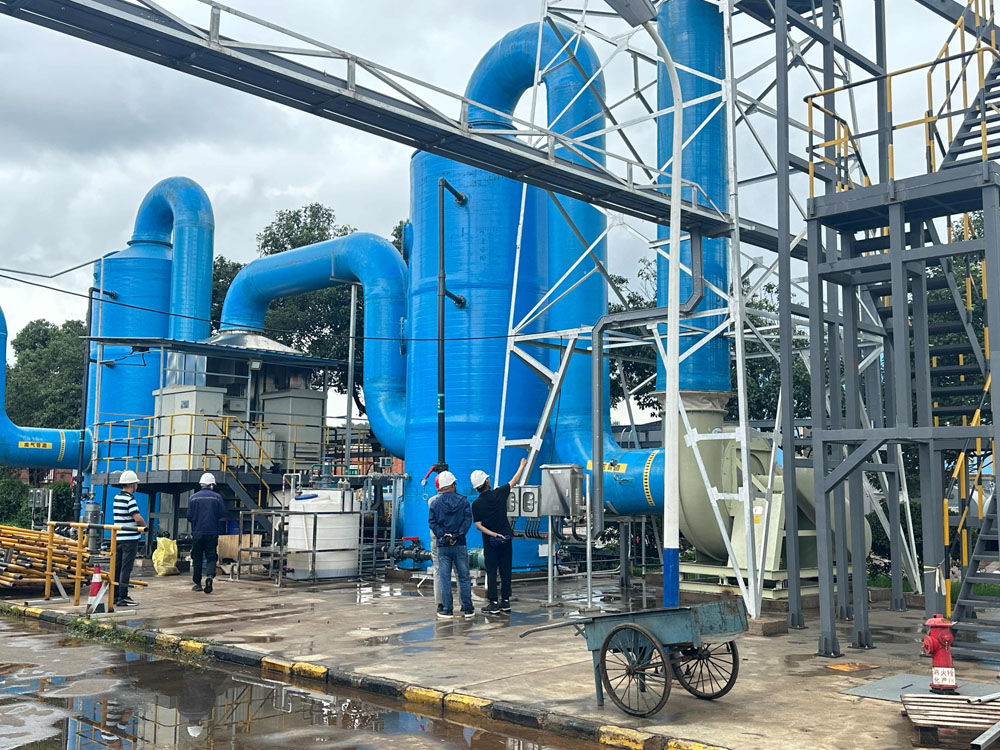
石化工廠、天然氣設施和與氫相關的生產場地,是整合語音通知特別有價值的環境。這些設施可能包括油槽區、處理單元、壓縮機區域、裝卸設施以及其他可能存在易燃氣體或蒸氣的地點。

部署在危險區域的通訊設備首先必須符合該場所的環境和安全要求。然而,除了終端本身適合性之外,更大的挑戰在於檢測到異常狀況後資訊傳遞的速度。

典型的整合工作流程可能涉及:

  1. 氣體偵測器或製程監控系統識別出異常狀況。
  2. 事件被傳遞到控制或警報平台。
  3. 通訊系統選擇受影響的區域。
  4. 向該區域發送預錄或即時的語音警告。
  5. 必要時,視覺或聽覺警報裝置可提供額外的注意信號。
  6. 操作員使用調度或對講頻道與現場人員確認狀況。

這種方法將偵測和通訊連結起來,而不是迫使操作員在多個獨立系統之間手動切換。在設計得當的自動化工作流程中,先前依賴多個手動步驟的緊急訊息可以在幾秒鐘內發出,而無需等待資訊經由多人傳遞所花費的數分鐘時間。

同樣的原則也可用於緊急情況以外的生產作業。控制室可以使用區域呼叫來協調維護、換班通知、設備關閉指示或臨時存取限制,而不必將訊息廣播到不相關的區域。
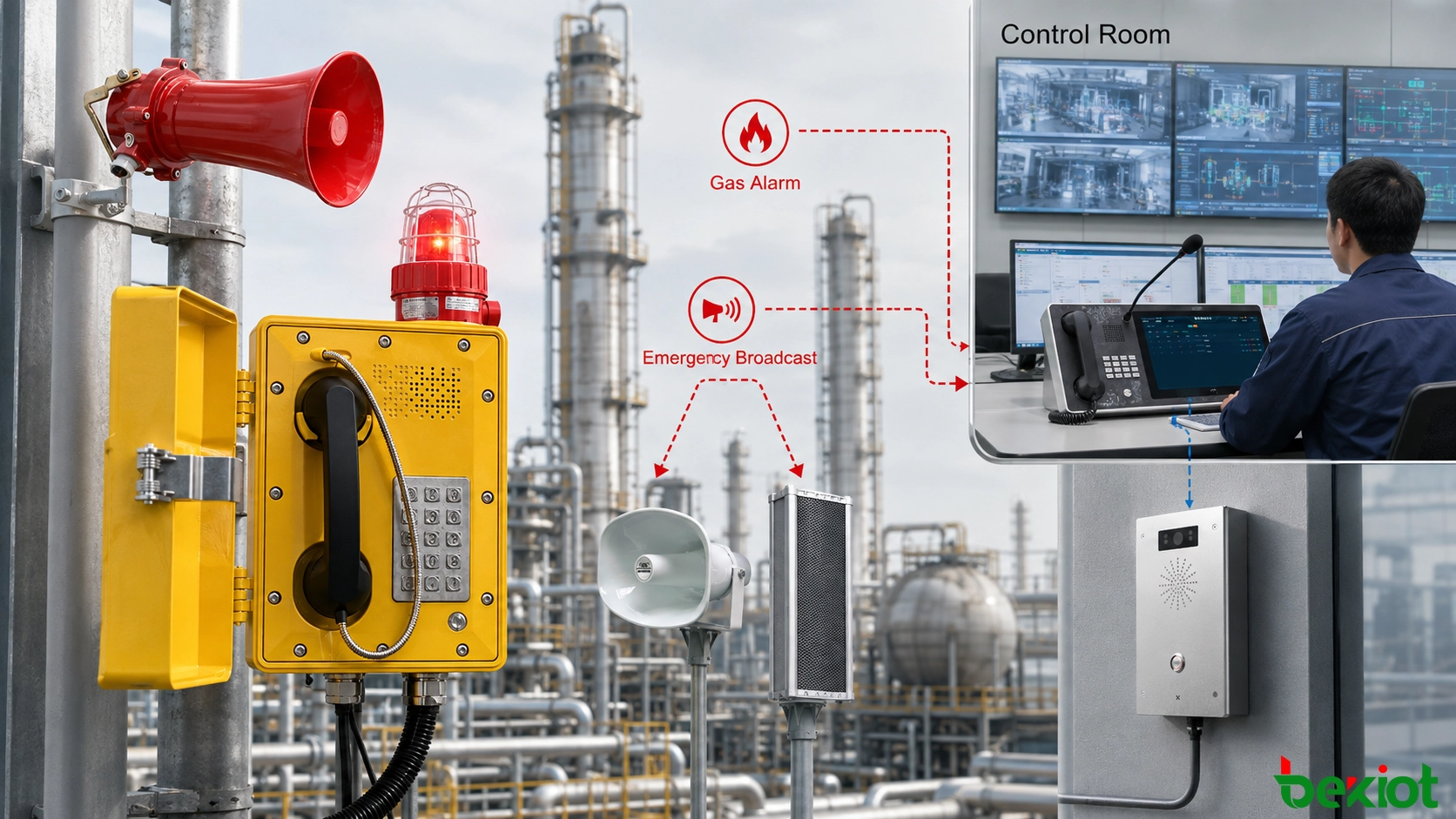
與氣體偵測、製程控制、火災警報和現場通訊整合的SIP緊急廣播工業設施
在危險設施中,監控、警報、語音通知和現場通訊可以組織為一個協調的應對流程。

地下和偏遠工作區域

採礦業面臨不同的通訊問題。地下隧道可能延伸很長的距離,實體結構會削弱無線信號,而工人可能因為多層地下基礎設施而與地面控制室隔離。

基於IP的廣播和對講系統可以利用礦場的工業乙太網路,沿著地下路線和工作區域設置有線通訊點。固定IP終端不再完全依賴無線覆蓋,而是提供已知的通訊位置,並可持續連接地面的調度中心。

如果工人偵測到氣體異常或其他危險狀況,附近的緊急通話點可以提供直接通往控制中心的通訊路徑。操作員可以接聽通話、識別位置,並在協調應對的同時維持雙向語音通訊。原始資料也強調了將人員位置資訊與廣播結合的可能性,以便在救援期間將訊息導向特定區域。

這建立了三個有用的通訊層次:

  • 針對受影響地下區域工人的本地通知
  • 地下點與地面調度之間的雙向通訊
  • 當人員或營運定位系統可用時的位置感知協調

同樣的架構也可適用於其他長距離或難以覆蓋的設施,例如隧道、地下公共設施空間和偏遠工業走廊,因為固定網路連線比依賴單一無線服務更具可預測性。

交通運輸與大型基礎設施

交通設施不僅需要緊急警報,還需要廣播。車站、機廠、航廈和維修設施必須在同一實體環境中處理日常廣播、乘客引導、營運協調和疏散指示。

在鐵路運輸中,基於SIP的音訊可以與乘客資訊系統整合,使日常訊息和營運廣播能與車站資訊協調。在火災、大量乘客擁擠或其他緊急情況下,操作員可以選擇特定的月台、入口、走廊或其他區域,而不是到處發送相同的訊息。

定向廣播很重要,因為不同區域可能需要不同的指示。靠近某個出口的乘客可能需要使用其他路線,而車站未受影響區域的工作人員可能只需要營運通知。過多或不相關的廣播會使緊急資訊更難理解。

機場和港口則面臨更大規模的類似挑戰。設施可能包括乘客區域、貨運區域、維修廠、倉庫、消防站、裝卸區和戶外作業空間。因此,一個系統需要同時支援日常的區域呼叫和更高優先級的緊急通訊。

港口增加了另一個環境挑戰,因為戶外通訊設備可能在潮濕、鹽霧和大型機械的環境下運作。機場可能需要航廈、營運團隊和緊急服務之間的通訊。在這兩種情況下,SIP的價值在於能夠透過IP網路組織地理上分散的音訊和語音資源,而不是為每個營運區域建立獨立的隔離系統。

能源與設施營運

發電和大型能源設施可以使用相同的架構來進行與設備相關的通知。SCADA等監督平台可能會識別出需要注意的溫度、設備或運作狀況。該事件隨後可與相關維護或營運區域的語音通知關聯。

其優勢並非廣播取代SCADA或控制系統。控制平台仍負責設備監控和營運邏輯。廣播提供了一個人員通訊層,將選定的系統事件轉換為可理解的語音指令。

例如,系統可以區分:

  • 僅供控制室人員看到的警報;
  • 發送到特定工作區域的維護通知;
  • 需要人員立即採取行動的高優先級警告;
  • 需要更廣泛指示的全站緊急狀況。

這種區分可防止每個技術警報都變成公開廣播。系統設計者應定義哪些事件需要語音通知、哪些區域應接收,以及操作員是否必須在廣播前確認該事件。
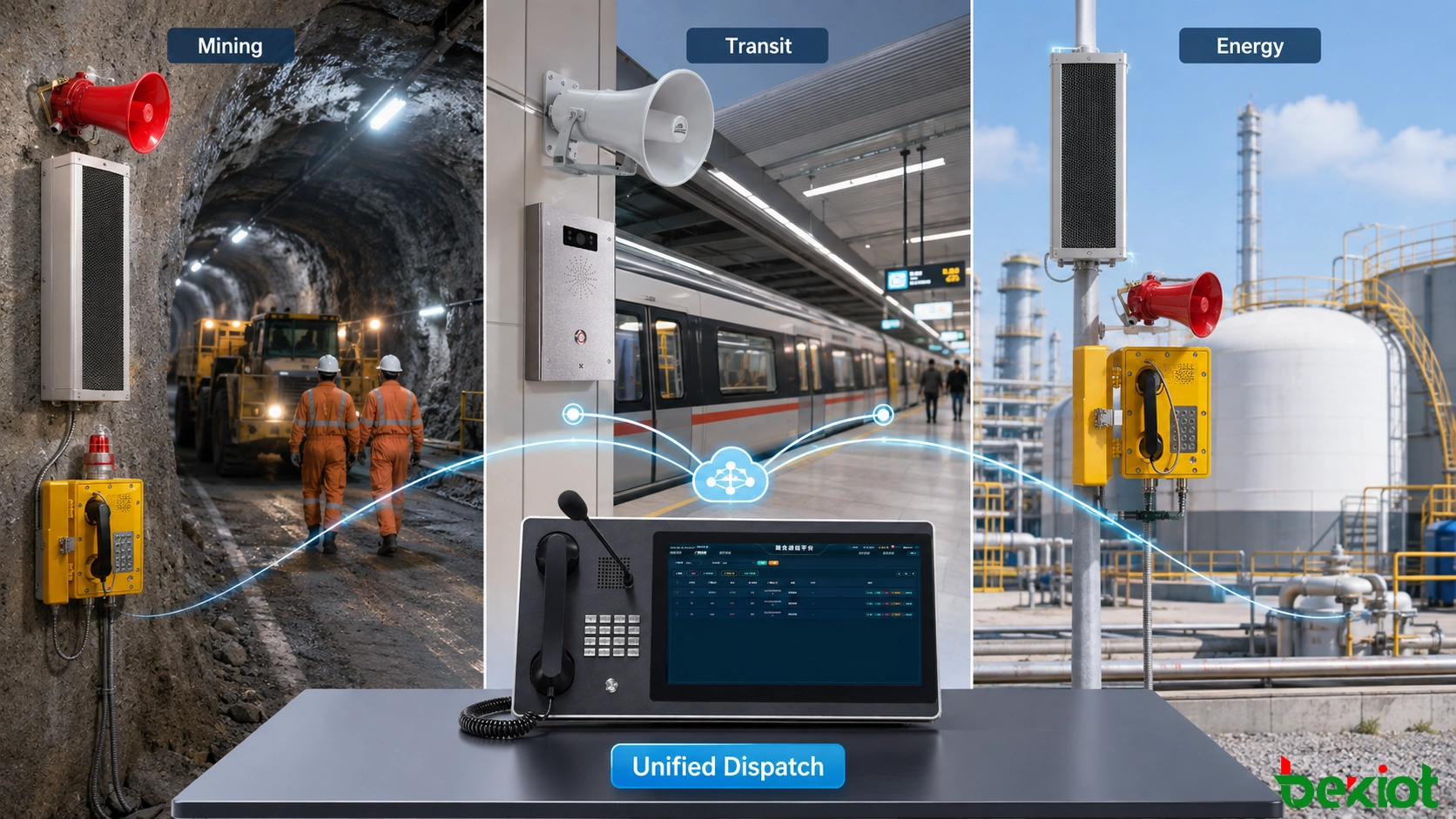
SIP廣播系統在採礦、鐵路運輸、機場、港口、能源、醫療、教育和智慧設施中的應用
相同的SIP通訊架構可適用於不同區域和工作流程要求的工業、交通、能源和公共服務環境。

醫療、教育與智慧設施

該架構在重工業之外也很有用,因為許多公共服務環境面臨相同的根本問題:重要的訊息必須快速送達正確的人員,同時不打擾其他人。

醫院

醫院可以使用基於SIP的通訊進行緊急臨床通知,例如Code Blue呼叫,同時將日常呼叫和部門間通訊分開。其價值在於將訊息路由到所需的團隊或區域,而不是將每個廣播視為全院廣播。

學校與大學

教育機構可以結合緊急通話點、監控系統和廣播區域。使用者可以從指定的求助點啟動警報,隨後安全人員可以驗證事件,並在需要更廣泛通知時使用定向廣播。

智慧校園與產業園區

大型校園可能已經將訪客對講、日常背景音訊、門禁通訊和緊急通知作為獨立系統運行。將這些服務移轉到協調的IP框架可以減少孤立的管理介面,並使區域控制更容易。

無論場地是醫院、大學或產業園區,相同的設計原則都適用:日常通訊和緊急通訊可以共享基礎設施,同時透過權限、優先級和營運規則保持分離。

如何規劃實際部署

選擇SIP並不會自動建立有效的通訊系統。專案仍須圍繞場地實際的營運工作流程來設計。

實際的設計過程應從識別通訊區域開始。大型場地可能包含生產區域、維護區域、乘客空間、公共走廊、緊急區域和限制區域。這些應與實際的營運責任相對應,而不僅僅根據建築物幾何形狀來劃分。

接下來,確定哪些系統需要交換資訊。根據專案不同,可能包括:

  • 語音調度;
  • 電話或對講系統;
  • 火災警報平台;
  • 氣體偵測;
  • DCS或SCADA;
  • 乘客資訊系統;
  • 人員定位系統;
  • 安全或監控平台。

第三步是定義事件邏輯。並非每個警報都應自動產生全站語音訊息。有些事件可能需要操作員確認,而高優先級事件則可設定為立即定向通知。

優先級規則同樣重要。緊急指令必須優先於日常背景音訊或預定廣播。操作員的權限也應決定誰可以存取個別區域、啟動緊急訊息或建立更大的通訊群組。

最後,系統設計時應考慮錄音和事件日誌。原始資料強調了在運輸和其他受管理環境中儲存操作日誌和通訊記錄的重要性。這些記錄可以支援事件重建、維護審查和營運責任。

結論

SIP廣播的主要價值不僅僅是用網路音訊取代類比音訊。其更大的作用是透過標準IP架構,將語音通知與調度、對講、監控和營運系統連結起來。

該架構可根據環境不同而有非常不同的應用。危險工業場域可能專注於氣體偵測和緊急疏散;礦場需要可靠的地下通訊;交通設施依賴精確的區域控制;能源場域可將選定的SCADA事件轉換為人類可讀的警告;而醫院和校園則運用相同的基礎概念進行緊急團隊通知和公共安全。

共同的需求很明確:關鍵資訊必須在正確的時間、正確的區域,透過可管理和可審查的通訊路徑,送達正確的人員。當專案圍繞此需求設計時,SIP廣播便成為場地營運通訊基礎設施的一部分,而不僅僅是獨立的公共廣播系統。

常見問題

SIP廣播能否與其他IP服務在同一網路上運作?

當網路針對所需的流量、可靠性和安全策略進行設計時,它可以共享IP基礎設施。大型或關鍵專案仍可能根據網路設計要求,以邏輯或物理方式分離語音流量。

每個系統警報都需要觸發語音廣播嗎?

不需要。事件規則應區分供操作員查看的技術警報和需要人員通知的事件。有些訊息可以是自動的,而有些則應在廣播前進行確認。

場地應如何準備預錄的緊急訊息?

訊息應簡短、特定於位置且以行動為導向。場地也應確立誰可以核准、更新和測試訊息內容,以便緊急指示能與當前的操作程序保持一致。

如果部分IP網路無法使用,會發生什麼情況?

答案取決於網路架構。關鍵部署應在啟用前評估網路備援、備用電源、替代通訊路徑以及部分網路故障時終端設備的行為。

是否可以逐步遷移現有的公共廣播系統?

在許多專案中,如果現有的音訊基礎設施和新的IP通訊層可以透過適當的介面連接,則遷移可分階段進行。場地可優先處理關鍵區域,並根據營運需求和預算逐步擴展基於IP的架構。

標籤:


Becke Telcom專注於鐵路、隧道、石油和天然氣以及海事部門的工業防爆通信,提供具有集成PA、對講和呼叫功能的PAGA、SOS和IP電話。


版權©2012-202貝克電信版權所有

留下您的信息

如果您對我們有任何建議或問題,請隨時與我們聯繫!

We use cookie to improve your online experience. By continuing to browse this website, you agree to our use of cookie.

Cookies

Please read our Terms and Conditions and this Policy before accessing or using our Services. If you cannot agree with this Policy or the Terms and Conditions, please do not access or use our Services. If you are located in a jurisdiction outside the European Economic Area, by using our Services, you accept the Terms and Conditions and accept our privacy practices described in this Policy.
We may modify this Policy at any time, without prior notice, and changes may apply to any Personal Information we already hold about you, as well as any new Personal Information collected after the Policy is modified. If we make changes, we will notify you by revising the date at the top of this Policy. We will provide you with advanced notice if we make any material changes to how we collect, use or disclose your Personal Information that impact your rights under this Policy. If you are located in a jurisdiction other than the European Economic Area, the United Kingdom or Switzerland (collectively “European Countries”), your continued access or use of our Services after receiving the notice of changes, constitutes your acknowledgement that you accept the updated Policy. In addition, we may provide you with real time disclosures or additional information about the Personal Information handling practices of specific parts of our Services. Such notices may supplement this Policy or provide you with additional choices about how we process your Personal Information.


Cookies

Cookies are small text files stored on your device when you access most Websites on the internet or open certain emails. Among other things, Cookies allow a Website to recognize your device and remember if you've been to the Website before. Examples of information collected by Cookies include your browser type and the address of the Website from which you arrived at our Website as well as IP address and clickstream behavior (that is the pages you view and the links you click).We use the term cookie to refer to Cookies and technologies that perform a similar function to Cookies (e.g., tags, pixels, web beacons, etc.). Cookies can be read by the originating Website on each subsequent visit and by any other Website that recognizes the cookie. The Website uses Cookies in order to make the Website easier to use, to support a better user experience, including the provision of information and functionality to you, as well as to provide us with information about how the Website is used so that we can make sure it is as up to date, relevant, and error free as we can. Cookies on the Website We use Cookies to personalize your experience when you visit the Site, uniquely identify your computer for security purposes, and enable us and our third-party service providers to serve ads on our behalf across the internet.

We classify Cookies in the following categories:
 ●  Strictly Necessary Cookies
 ●  Performance Cookies
 ●  Functional Cookies
 ●  Targeting Cookies


Cookie List
A cookie is a small piece of data (text file) that a website – when visited by a user – asks your browser to store on your device in order to remember information about you, such as your language preference or login information. Those cookies are set by us and called first-party cookies. We also use third-party cookies – which are cookies from a domain different than the domain of the website you are visiting – for our advertising and marketing efforts. More specifically, we use cookies and other tracking technologies for the following purposes:

Strictly Necessary Cookies
These cookies are necessary for the website to function and cannot be switched off in our systems. They are usually only set in response to actions made by you which amount to a request for services, such as setting your privacy preferences, logging in or filling in forms. You can set your browser to block or alert you about these cookies, but some parts of the site will not then work. These cookies do not store any personally identifiable information.

Functional Cookies
These cookies enable the website to provide enhanced functionality and personalisation. They may be set by us or by third party providers whose services we have added to our pages. If you do not allow these cookies then some or all of these services may not function properly.

Performance Cookies
These cookies allow us to count visits and traffic sources so we can measure and improve the performance of our site. They help us to know which pages are the most and least popular and see how visitors move around the site. All information these cookies collect is aggregated and therefore anonymous. If you do not allow these cookies we will not know when you have visited our site, and will not be able to monitor its performance.

Targeting Cookies
These cookies may be set through our site by our advertising partners. They may be used by those companies to build a profile of your interests and show you relevant adverts on other sites. They do not store directly personal information, but are based on uniquely identifying your browser and internet device. If you do not allow these cookies, you will experience less targeted advertising.

How To Turn Off Cookies
You can choose to restrict or block Cookies through your browser settings at any time. Please note that certain Cookies may be set as soon as you visit the Website, but you can remove them using your browser settings. However, please be aware that restricting or blocking Cookies set on the Website may impact the functionality or performance of the Website or prevent you from using certain services provided through the Website. It will also affect our ability to update the Website to cater for user preferences and improve performance. Cookies within Mobile Applications

We only use Strictly Necessary Cookies on our mobile applications. These Cookies are critical to the functionality of our applications, so if you block or delete these Cookies you may not be able to use the application. These Cookies are not shared with any other application on your mobile device. We never use the Cookies from the mobile application to store personal information about you.

If you have questions or concerns regarding any information in this Privacy Policy, please contact us by email at . You can also contact us via our customer service at our Site.